Rare disease communities have always operated differently. They are smaller, more connected, and built out of necessity rather than interest. Patients, caregivers, and advocates don’t just participate in these communities—they rely on them. For information, for validation, and, increasingly, for decision-making.
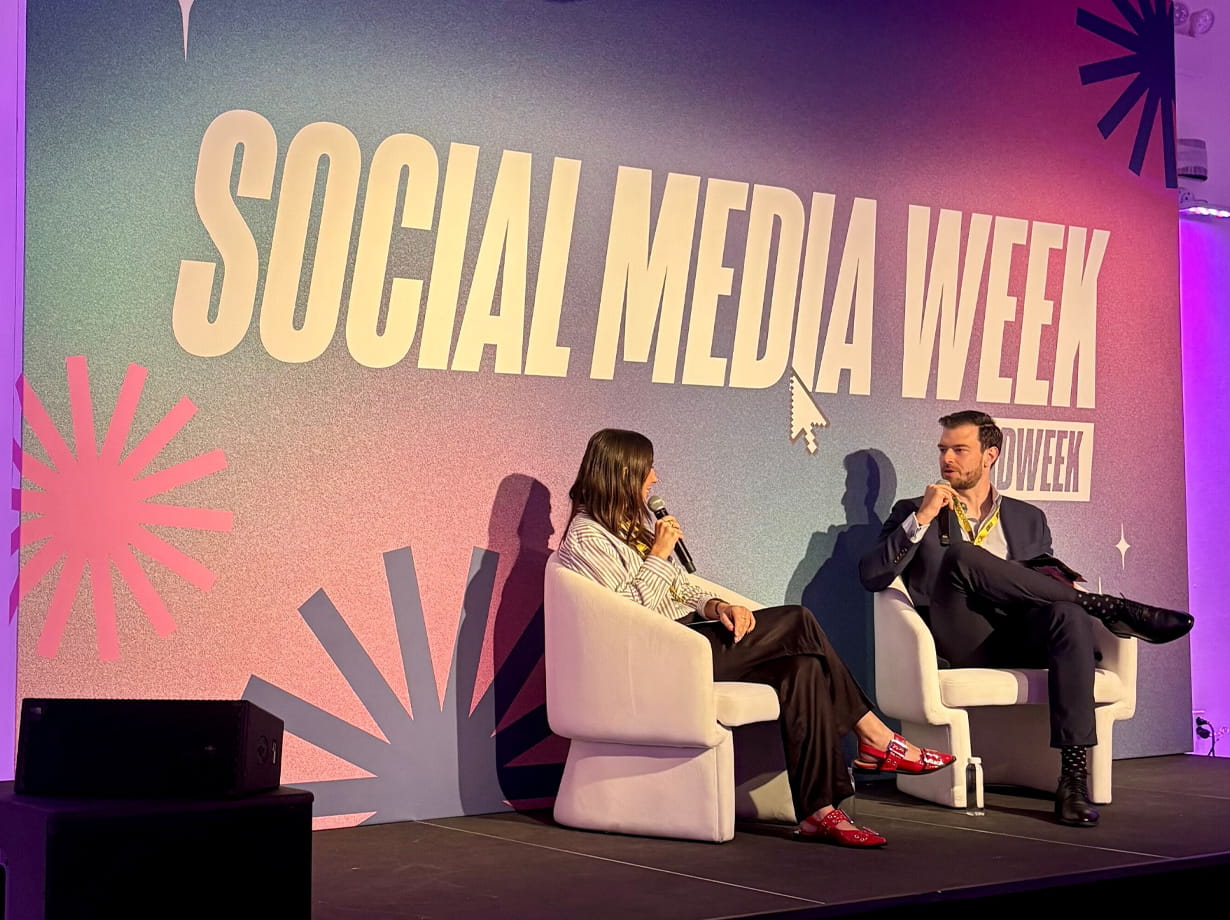
At Adweek’s Social Media Week 2026, their annual review of the most important trends in social media, one message came through clearly: the broader social media landscape is shifting toward behaviors that rare disease communities have long embodied. Trust is replacing reach. Conversation is replacing broadcasting. And people—not brands or organizations—are shaping how information is understood.
For organizations working in rare disease, this is not a new reality. But it is a more urgent one. Here are a few key takeaways and the implications for how rare disease organizations engage and communicate moving forward.
Trust Is the Filter for Everything
In a content environment saturated with AI-generated and low-quality information, audiences are becoming more selective. Visibility alone is no longer enough.
People are not just looking for information, they are looking for credibility and context. In rare disease, this dynamic is intensified. Patients are not passively consuming content. They are comparing, cross-checking, and crowdsourcing decisions across platforms. They are validating what they hear through multiple sources-peers, clinicians, advocates-before forming conclusions.
This creates both a challenge and a clear opportunity. Organizations that communicate with clarity, transparency, and authority will not just be seen, they are also more likely to be trusted. And in rare disease, trust drives engagement, retention, and action.
Community Is the Strategy
Another clear shift: the growing value of small, highly engaged communities. Broad reach is rapidly becoming less meaningful than relevance. Algorithms are rewarding interaction, and audiences are gravitating toward spaces where conversation feels targeted to their needs, personal, and ongoing.
Rare disease communities have always functioned this way. They are not built through campaigns. They are built over time-through consistency, shared experience, and credibility. They are sustained not by volume, but by value. For organizations, this requires a shift in mindset. Showing up once is not enough. Showing up consistently, with something meaningful to contribute, is what builds presence.
The Rise of Human Voices
Another trend that is becoming increasingly difficult to ignore: people drive engagement in ways brands cannot. Content from individuals-especially those with expertise or lived experience—generates more interaction, more conversation, and more trust.
In rare disease, this is particularly relevant. The individuals closest to the science and the patient journey—clinicians, researchers, and advocates—are increasingly shaping how information is shared and understood. Their perspectives carry weight because they are perceived as informed, credible, and human. As a result, the center of gravity is shifting. The conversation is no longer led solely by organizations. It is co-created by the people within and around them.
From Content to Conversation
If content is now constant, conversation is what differentiates it. One of the most consistent themes was the importance of interaction—comments, replies, and dialogue—as the primary signal of value.
Rare disease communities are already deeply conversational. They ask questions, share experiences, and engage with one another in meaningful ways. This changes the role of content. It is no longer just a vehicle for information. It is a starting point for discussion, a way to invite engagement, and a means of participating in an ongoing exchange. This shift has real implications for performance-impacting how audiences engage, retain information, and ultimately act.
A Shift from Campaigns to Continuity
Another key takeaway: the move away from one-off campaigns toward always-on content ecosystems. The most effective organizations are not just launching initiatives, they are building ongoing narratives. They are creating recognizable formats, consistent voices, and repeatable experiences that audiences return to over time.
In rare disease, where awareness and understanding develop gradually, this approach is essential. Trust is not built in moments. It is built through consistency.
Social as a Decision-Making Environment
Perhaps the most important shift is how social media functions in people’s lives. It is no longer just a channel for communication. It is a space where people make sense of complex information.
For people living with rare diseases, this is especially critical. They are not relying on a single source of truth. They are navigating multiple perspectives, validating their experiences, and forming decisions across a network of inputs. This raises the standard for how organizations show up. Content must not only be accurate-it must be clear, calm, and contextualized. It must help people understand, not just inform them.
A Familiar Future
The broader social media landscape is evolving toward something rare disease communities have long demonstrated: trust, connection, and conversation. For organizations in this space, the path forward is not only about adopting entirely new strategies. It is about leaning into what already works-showing up consistently, communicating clearly, and contributing meaningfully to communities that are already engaged.
At CG Life, we help organizations navigate the complexity of rare disease communication—translating science into stories that resonate, build trust, and drive meaningful engagement. As the landscape continues to shift, the opportunity is clear: show up with intention, contribute with credibility, and build connections that last. Because in rare disease, success is not defined by how many people you reach. It is defined by how well you are understood.
